Looking for Sciaticyl for Sciatic Pain Relief?
Here’s What You Should Know Before Trying It
A closer look at how the Sciaticyl supplement is designed to support sciatic nerve health — and why many people turn to this approach after other options fail.
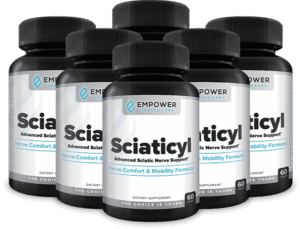
If you’re searching for Sciaticyl, chances are you’re dealing with ongoing sciatic pain — shooting discomfort down the leg, burning or tingling sensations, or flare-ups that make sitting, walking, or sleeping difficult.
Many people who reach this point have already tried pain relievers, physical therapy, stretches, or even injections — often with limited or temporary results.
This page explains what Sciaticyl is, how it’s intended to work, and who it may be designed for, so you can decide if it’s worth learning more about.

Costumer Reviews and Ratings

4.7 out of 5
4.7 out of 5
Already familiar with Sciaticyl?
Why Sciatic Pain Often Keeps Coming Back
By Dr. Thomas Hensley (Reading Time: 5 Minutes)

Most conventional approaches focus on managing pain signals, not addressing the underlying condition of the sciatic nerve itself.
When the nerve remains irritated, inflamed, or under stress, symptoms can continue — even if pain is temporarily reduced.
That’s why many people start looking into nerve-focused support, instead of relying solely on symptom-masking solutions.
The Role of Nerve Health in Sciatic Pain
The sciatic nerve is the largest nerve in the body.
When it becomes irritated, compressed, or inflamed, it can send intense pain signals down the lower back, hips, and legs.
Research suggests that nutritional deficiencies, oxidative stress, and chronic inflammation may affect how nerves function and recover.
Supporting nerve health is not about instant relief — it’s about creating an environment where the nerve can function more normally over time.
What is Sciaticyl?

Sciaticyl is a nutritional supplement formulated to support:
- Normal nerve signaling
- Inflammation response
- Muscle relaxation around the sciatic nerve
It is not a medication, not an injection, and not a surgical treatment.
Instead, it’s designed as a daily supplement that provides specific nutrients commonly associated with nerve function and recovery.
How the Formula Is Designed
Sciaticyl combines well-known nutrients such as:
- B-vitamins, commonly linked to nerve signaling and nerve tissue maintenance
- Minerals, which play a role in muscle relaxation and inflammation balance
- Antioxidant compounds, associated with protecting nerve cells from oxidative stress
Rather than forcing short-term relief, the formula is positioned to support the nerve from within, as part of a consistent routine.
Who May Consider Sciaticyl
This type of supplement is typically explored by people who:
- Experience recurring sciatic pain or flare-ups
- Want to avoid long-term reliance on painkillers
- Prefer a non-invasive, daily support option
- Are looking for gradual, sustainable improvement
Results vary, and it’s not intended as a replacement for medical care — but many users report noticeable changes over time.
What Users Commonly Report
While individual experiences differ, people using nerve-support supplements often mention:
- Reduced intensity of flare-ups
- Less frequent shooting or burning sensations
- Improved comfort while sitting or walking
- Better sleep due to fewer nighttime pain episodes
This is typically described as a gradual process, not an overnight fix.
RISK REDUCTION

Sciaticyl is produced in regulated facilities and comes with a satisfaction guarantee, allowing users to try it without committing long-term.
This helps reduce risk for those who want to see how their body responds.
RISK REDUCTION